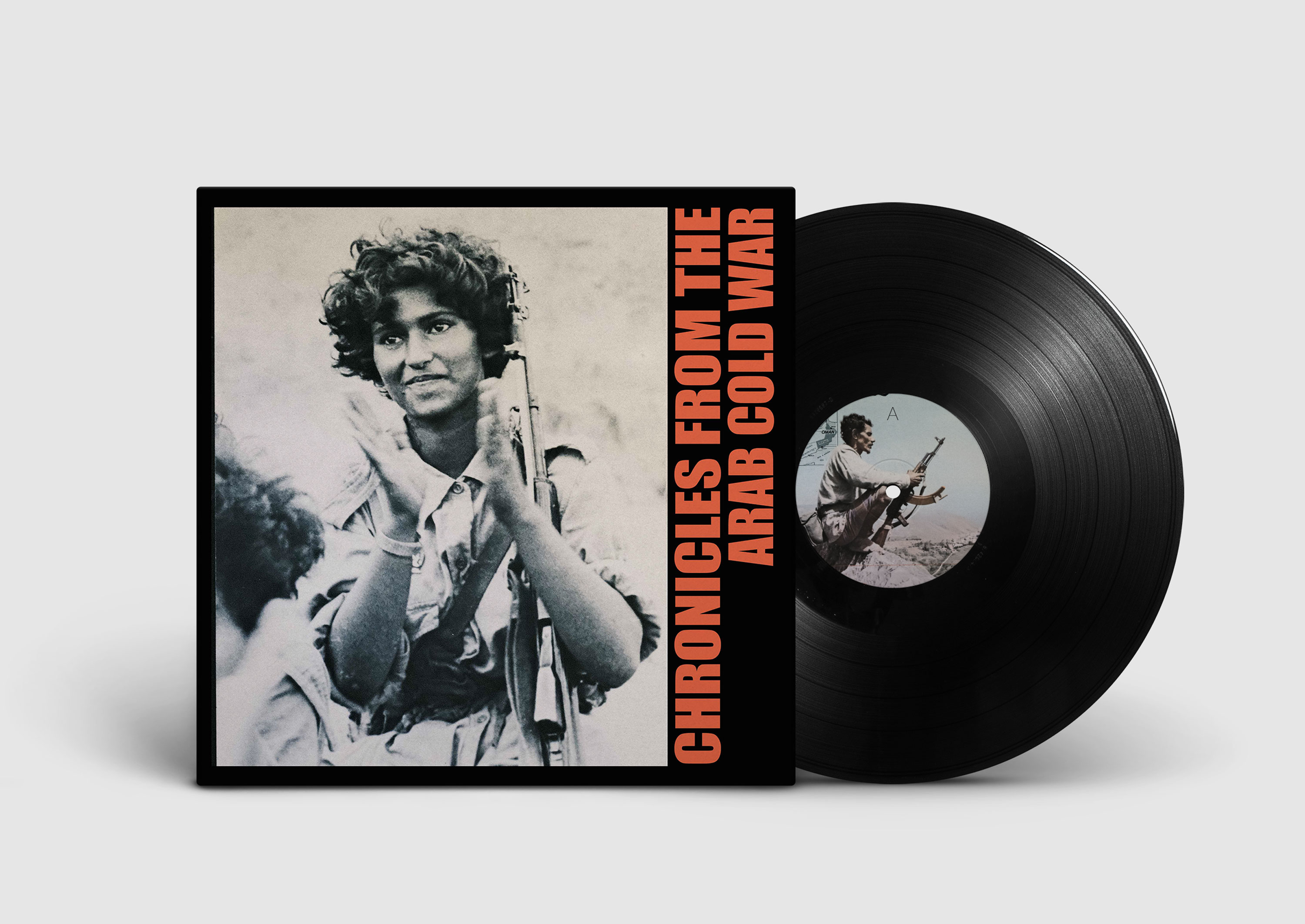
Description
Between innocence and anger, a record of witness.
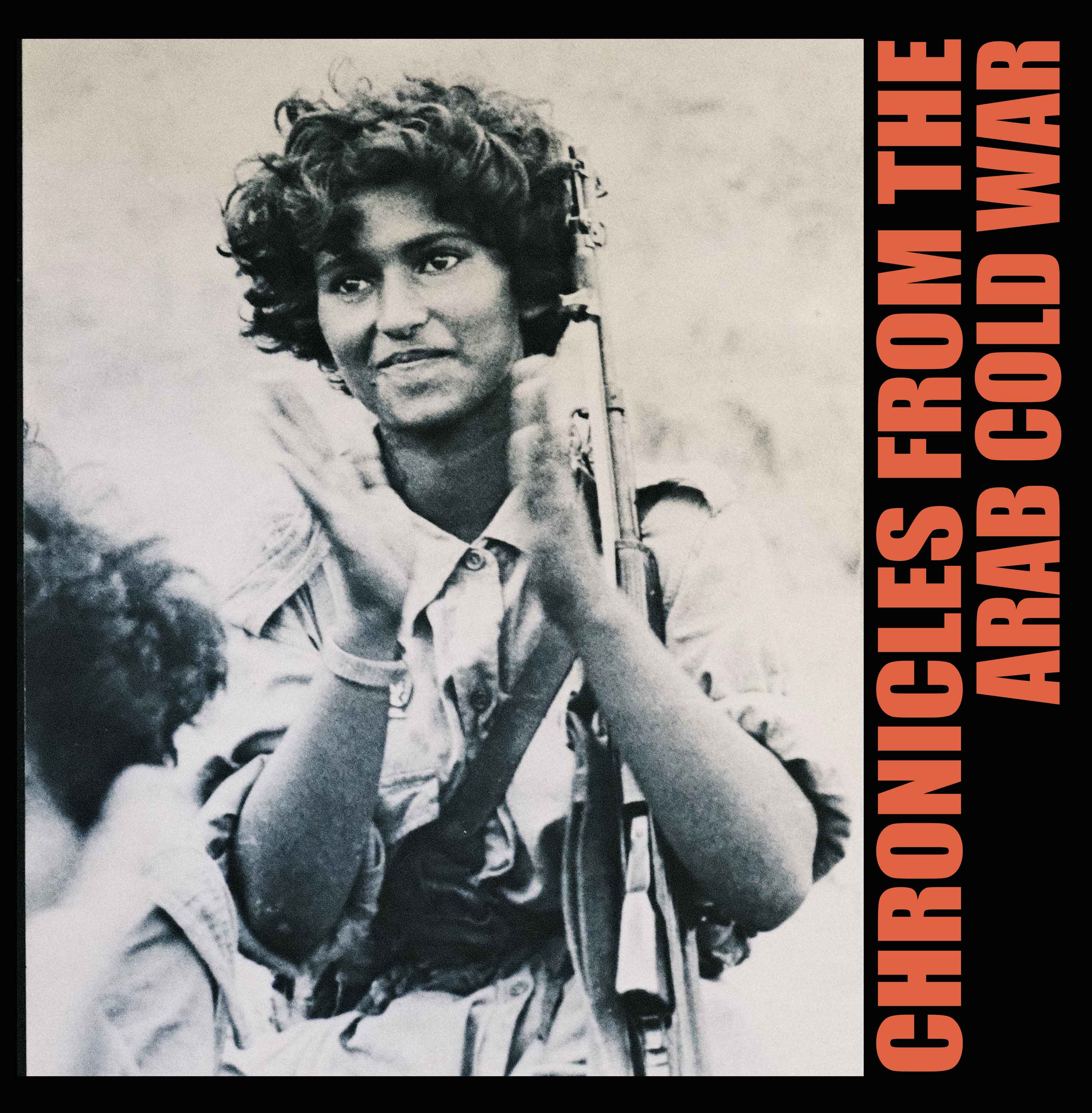
Pharoah Chromium is the project of German-Palestinian musician and sonic performer Ghazi Barakat. With Chronicles from the Arab Cold War Pharoah Chromium continues his long-standing engagement with the Palestinian cause, following Gaza (LP, self-released 2015) and Jean Genet à Chatila (7”, self-released 2018).
In the summer of 2023, new material began to take shape from a session with flutes EWI (an analogue synth played like a wind instrument), and belly dancing beats. At first these were instrumentals, waiting for their context. That frame appeared unexpectedly, through the discovery of Chants Révolutionnaires d’Oman on the French label Expression Spontanée — a record that connected seamlessly with the material at hand.
As you listen, Side A reveals its dedication to the children of Gaza. Without exploiting recordings from an ongoing genocide, the music instead channels hope through the voices of Omani children, offering a vision of resilience and possibility in the Middle East.
Side B grows darker, more funerary, reflecting the escalation of the conflict after October 7. Trumpeter Philipp Selalmazidis, a recent collaborator, appears throughout these sessions, adding weight and urgency. Over time, the adolescent voices of the A side give way to adult voices, filling the space with anger and ideological rhetoric — a stark progression from innocence to confrontation.
This is a record that refuses detachment: a work of mourning, resistance.
Credits
Recorded, arranged and produced by Ghazi Barakat October 2023-February 2024 at Serpent’s Egg, Berlin.
All songs written by Ghazi Barakat except A1, A3, B1, B4 by Ghazi Barakat and Philipp Selalmazidis.
All voices taken from the album Chants Révolutionnaires D’Oman released by Expression Spontanée in 1975.
Mastered by Gonçalo F. Cardoso
This album inspired by a period in history called the Arab Cold War that found place in the sultanat of Oman.
Between 1963 and 1976 a group calling itself the Dofahr Liberation Formation took over the province of Dohfar to create an independent state based on Pan-Arabic and Marxist ideologies. The base for this musical work is a record with songs sung by the children of this revolution